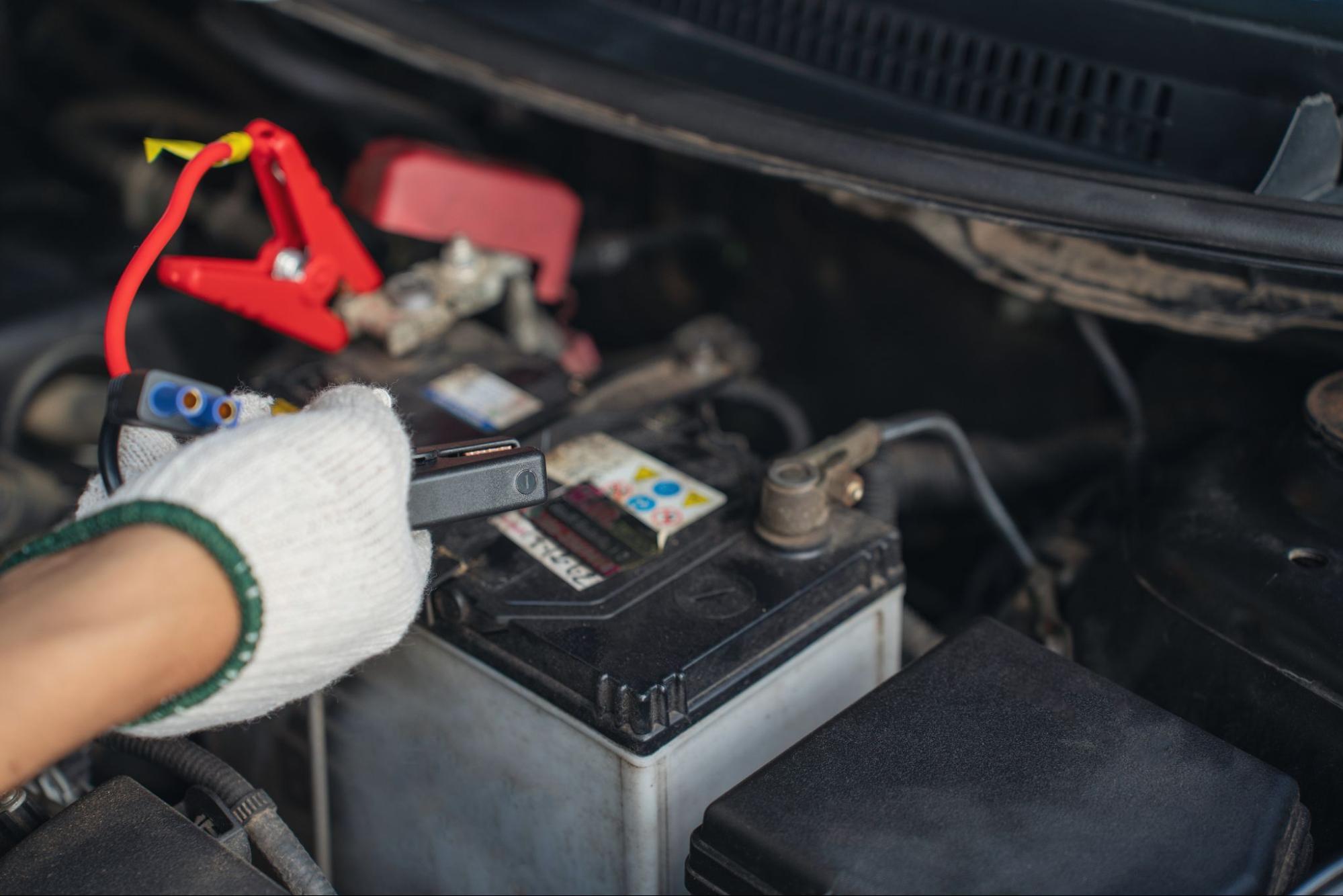
Cold weather is hard on your vehicle, and one of the first components to feel the impact is the car battery. As temperatures drop, battery performance can decline quickly, leading to slow starts or no start at all. For drivers of European vehicles, winter battery reliability matters even more due to advanced electrical systems and higher power demands.
This guide explains how a car battery is affected by cold weather, warning signs to watch for, and how proper service can help you avoid unexpected breakdowns during the colder months.
How Cold Weather Affects a Car Battery
A car battery loses efficiency as temperatures fall. Cold weather slows the chemical reaction inside the battery, reducing its ability to deliver power. At the same time, your engine requires more energy to start in winter, creating a perfect storm for battery failure.
European vehicles often rely on advanced electronics, sensors, and onboard systems that place additional strain on the battery. If your battery is already aging or weakened, winter conditions can push it past its limit.
Common Signs of Car Battery Failure
Battery problems rarely happen without warning. In winter, these signs tend to appear more frequently and progress faster.
Slow engine cranking is one of the most common indicators. You may also notice dim headlights, flickering interior lights, or warning messages on the dashboard. In some cases, the vehicle may struggle to start after sitting overnight in cold temperatures.
Why Battery Testing Matters Before Winter
Testing your car battery before temperatures drop is one of the easiest ways to prevent a no start situation. A battery may appear fine during warmer months but fail once exposed to freezing conditions.
Professional battery testing evaluates voltage, cold cranking amps, and overall health. This is especially important for European vehicles, where electrical systems are sensitive to voltage fluctuations.
At North Shore Motor Werks, battery testing is part of a preventative approach to winter maintenance, helping drivers stay ahead of cold weather issues.
When to Replace a Car Battery
Most car batteries last between three and five years, but winter conditions can shorten that lifespan. If your battery is approaching this range, replacement before winter is often the safer option.
Drivers who rely on short trips, park outdoors, or drive infrequently are more likely to experience winter battery issues. Replacing a borderline battery proactively can save time, stress, and towing costs.
Battery replacement should always match the vehicle’s specifications. European vehicles require the correct battery type, proper registration, and system resets to ensure reliable performance.
Professional Winter Battery Service for European Vehicles
Winter battery service goes beyond simply swapping out the old battery. It includes proper installation, system calibration, and verification that the charging system is functioning correctly.
Specialized European auto repair ensures that your vehicle’s electrical systems remain stable and protected. Services such as European auto repair and battery replacement help prevent winter-related electrical issues.
If you are experiencing starting issues or want peace of mind before winter hits, schedule a battery inspection today. You can also contact our team to discuss winter maintenance options for your vehicle.
Frequently Asked Questions
Why does a car battery fail more often in cold weather?
Cold temperatures reduce battery efficiency while increasing engine starting demands. This combination makes weak or aging batteries more likely to fail in winter.
How long should a car battery last?
Most batteries last three to five years, but winter conditions can shorten that lifespan, especially if the battery is already weakened.
Can a weak car battery damage my vehicle?
Low voltage can affect sensitive electronics in European vehicles, potentially causing warning lights, system errors, or drivability issues.
Should I replace my battery before winter starts?
If your battery is nearing the end of its lifespan or shows signs of weakness, replacing it before winter can help prevent unexpected breakdowns.