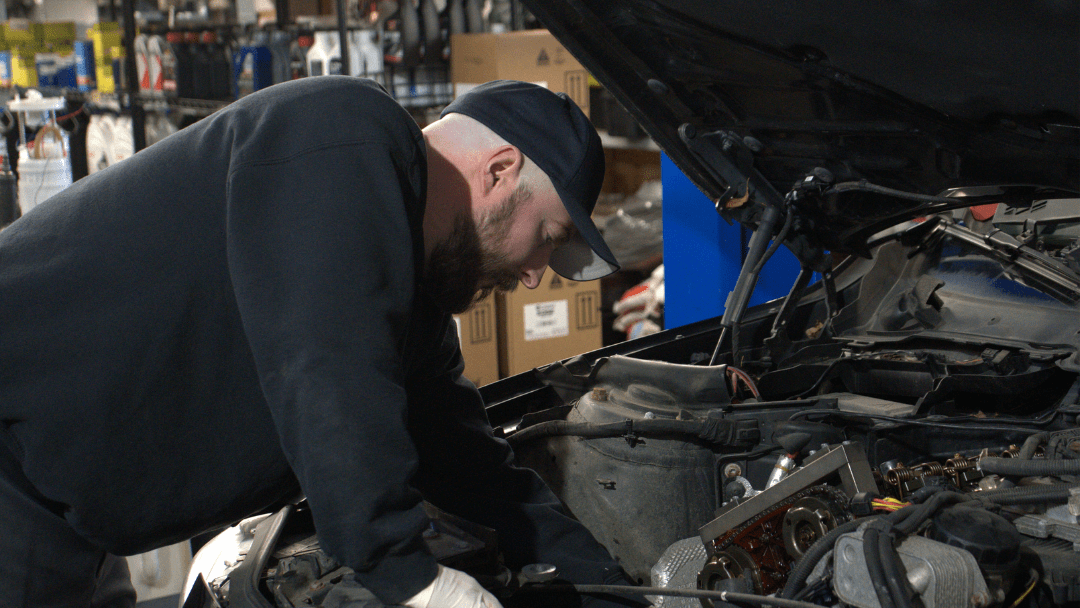
BMW coolant leak repair is one of the most common issues BMW owners face, especially as vehicles age. Catching leaks early can prevent overheating, engine damage, and costly repairs. In this guide, we break down the causes, warning signs, and what to expect from professional BMW coolant leak repair.
Why BMW Coolant Leaks Are Common
BMW vehicles are engineered for performance, but their cooling systems are known for having several plastic components that wear down over time. Parts like expansion tanks, hoses, and radiators are exposed to constant heat cycles, which can lead to cracks and leaks.
Because BMW engines run at higher operating temperatures than many other vehicles, even a small coolant leak can quickly turn into a serious issue if not addressed.
If you are experiencing coolant loss, it is important to have your vehicle inspected by specialists like North Shore Motor Werks, who understand the unique design of European vehicles.
Common Causes of BMW Coolant Leaks
Coolant leaks in BMWs typically come from a few key areas. One of the most common is the expansion tank, which can become brittle and crack over time. Radiator hoses are another frequent failure point, especially at connection points where pressure builds.
The water pump and thermostat housing are also known to fail, particularly in models with electric water pumps. These components can develop leaks internally or externally, often without much warning.
Over time, seals and gaskets throughout the cooling system can degrade, allowing coolant to escape slowly before the issue becomes noticeable.
Signs You Need BMW Coolant Leak Repair
There are several warning signs that indicate you may need BMW coolant leak repair. One of the most obvious is a low coolant warning on your dashboard. You may also notice a sweet smell coming from the engine bay, which is a sign of leaking coolant.
Puddles under your car, especially after it has been parked, are another clear indicator. In some cases, you may see white residue or dried coolant buildup around hoses or components.
If your engine temperature starts to rise or fluctuate, that is a more urgent sign that the cooling system is compromised and needs immediate attention.

Why You Should Not Ignore a Coolant Leak
Ignoring a coolant leak can lead to serious engine damage. Without proper coolant levels, your engine can overheat, which may result in warped components or even complete engine failure.
BMW engines are precision-built, and overheating can quickly compromise their performance and longevity. What starts as a small leak can turn into a major repair if left untreated.
Addressing the issue early with professional BMW coolant leak repair can save you significant time and money in the long run.
How BMW Coolant Leak Repair Works
A proper BMW coolant leak repair starts with a full system inspection. Technicians will pressure test the cooling system to identify the exact source of the leak.
Once the issue is located, the faulty component is replaced with high-quality parts designed to meet BMW standards. In many cases, it is recommended to replace related components at the same time to prevent future failures.
After repairs are completed, the system is refilled, bled of air, and tested to ensure everything is functioning correctly.
For expert diagnostics and repair, visit BMW repair services to ensure your vehicle is handled by experienced professionals.
Preventing Future Coolant Leaks
Routine maintenance is the best way to prevent coolant leaks in your BMW. Regular inspections can catch worn components before they fail.
Replacing aging plastic parts proactively, especially after 60,000 to 100,000 miles, can help avoid unexpected breakdowns. Keeping up with coolant flushes and using the correct BMW-approved coolant is also critical.
Working with a trusted European auto repair shop ensures your vehicle receives the proper care it needs to stay reliable.
Schedule Your BMW Coolant Leak Repair
If you suspect a coolant leak, it is important to act quickly. A professional inspection can identify the issue before it leads to more serious damage.
Schedule your service today through contact us and get your BMW back to peak performance.
Have questions or need immediate assistance? Reach out through contact us to speak with a knowledgeable team member.
Frequently Asked Questions
How much does BMW coolant leak repair cost?
The cost of BMW coolant leak repair depends on the source of the leak. Simple hose replacements are less expensive, while components like water pumps or radiators can be more involved.
Can I drive with a coolant leak in my BMW?
It is not recommended to drive with a coolant leak. Even a small leak can lead to overheating, which can cause serious engine damage.
What is the most common coolant leak in BMW vehicles?
The most common leaks come from the expansion tank, radiator hoses, and water pump. These components are known to wear out over time.
How long does BMW coolant leak repair take?
Most coolant leak repairs can be completed within a few hours to a full day, depending on the complexity of the issue.
How do I know if my BMW is leaking coolant?
Common signs include low coolant warnings, puddles under the car, a sweet smell, or rising engine temperature.